
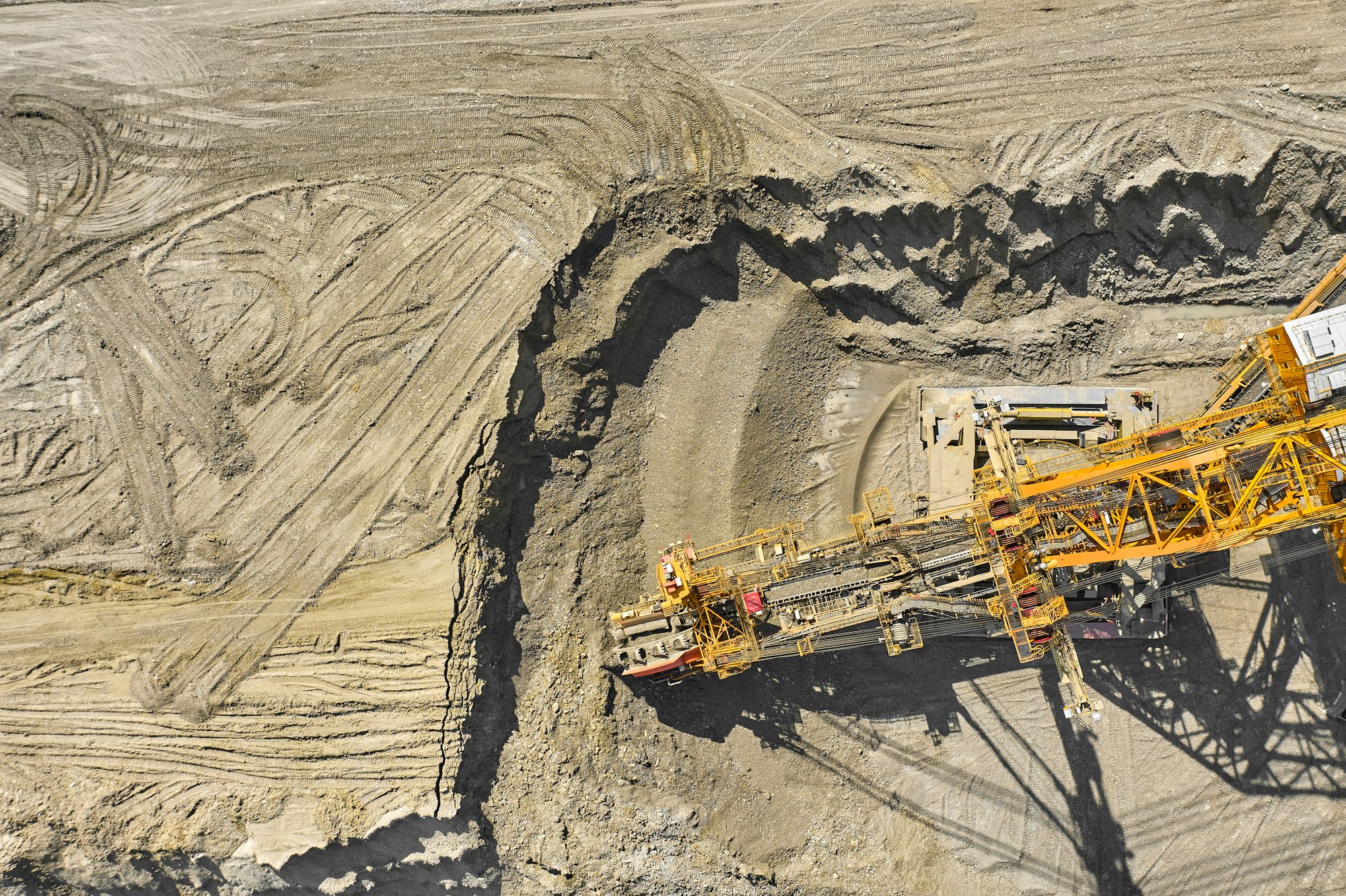
Natural resources have been the bedrock of human development and progress, serving as the foundation for everything from the most basic necessities of life—such as food, water, and shelter—to the complex infrastructure that powers modern societies. From the dawn of human civilization to the present day, the Earth’s natural wealth has been harnessed to meet the demands of growing populations and advancing technologies. However, this intense reliance on natural resources, particularly non-renewable ones, has led to a growing concern about the sustainability of our current consumption patterns.
As industrialization and technological advancements accelerate, so too does the consumption of natural resources, especially those that are non-renewable. This unchecked exploitation poses significant risks to the environment, leading to the degradation of ecosystems, the extinction of species, and the disruption of the natural balance that sustains life on Earth.
Understanding Non-Renewable Natural Resources: A Finite Wealth
Definition and Formation of Non-Renewable Resources
Non-renewable natural resources are those that exist in finite quantities on Earth and cannot be replenished within a human timescale. Unlike renewable resources, which can regenerate naturally over short periods, non-renewable resources are the result of geological and biological processes that span millions of years. These resources include fossil fuels such as oil, coal, and natural gas, as well as minerals like gold, silver, and uranium.
The formation of non-renewable resources is a slow and intricate process. For example, fossil fuels are formed from the remains of ancient plants and animals that were buried under layers of sediment millions of years ago. Over time, heat and pressure transformed these organic materials into the coal, oil, and natural gas that power much of the world today. Similarly, mineral deposits form through complex geological processes, including the cooling of magma and the precipitation of minerals from water.
Given the lengthy processes involved in the creation of these resources, their availability is limited. Once depleted, non-renewable resources cannot be replaced, making their conservation a critical issue for future generations.
Ten Key Examples of Non-Renewable Natural Resources
Non-renewable resources come in various forms, each with its unique properties and applications. Below are ten critical examples of non-renewable natural resources, along with a discussion of their formation, uses, and the implications of their depletion.
1. Petroleum
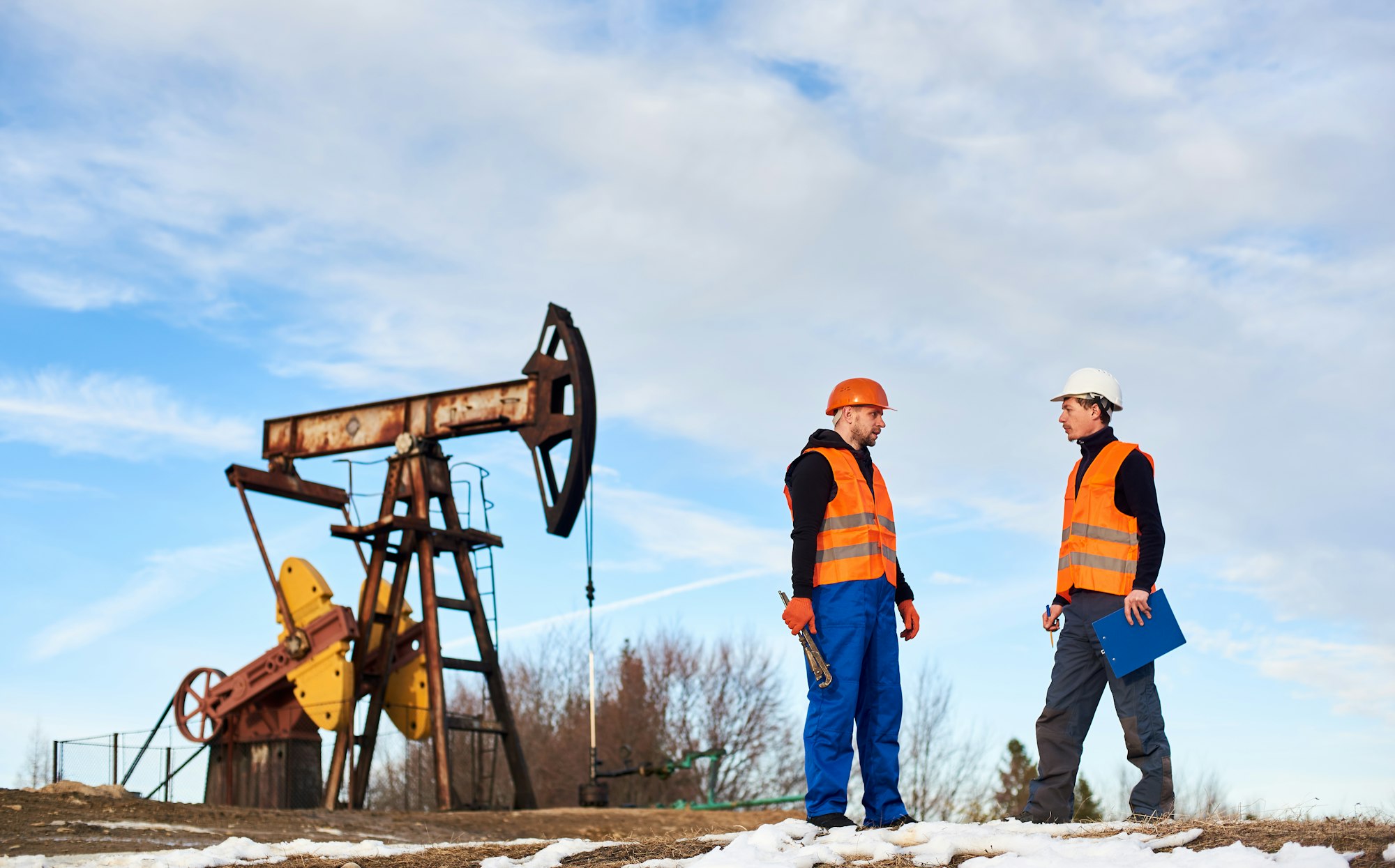
Petroleum, also known as crude oil, is one of the most valuable non-renewable resources. It is formed from the remains of marine organisms that were buried under layers of sediment millions of years ago. Over time, these organic materials were subjected to heat and pressure, transforming them into oil.
Petroleum is a versatile resource used primarily as fuel for transportation, heating, and electricity generation. It is also a key raw material in the production of various chemicals, plastics, and synthetic materials. The global economy is heavily dependent on petroleum, making it a critical resource for industrialized nations.
2. Natural Gas
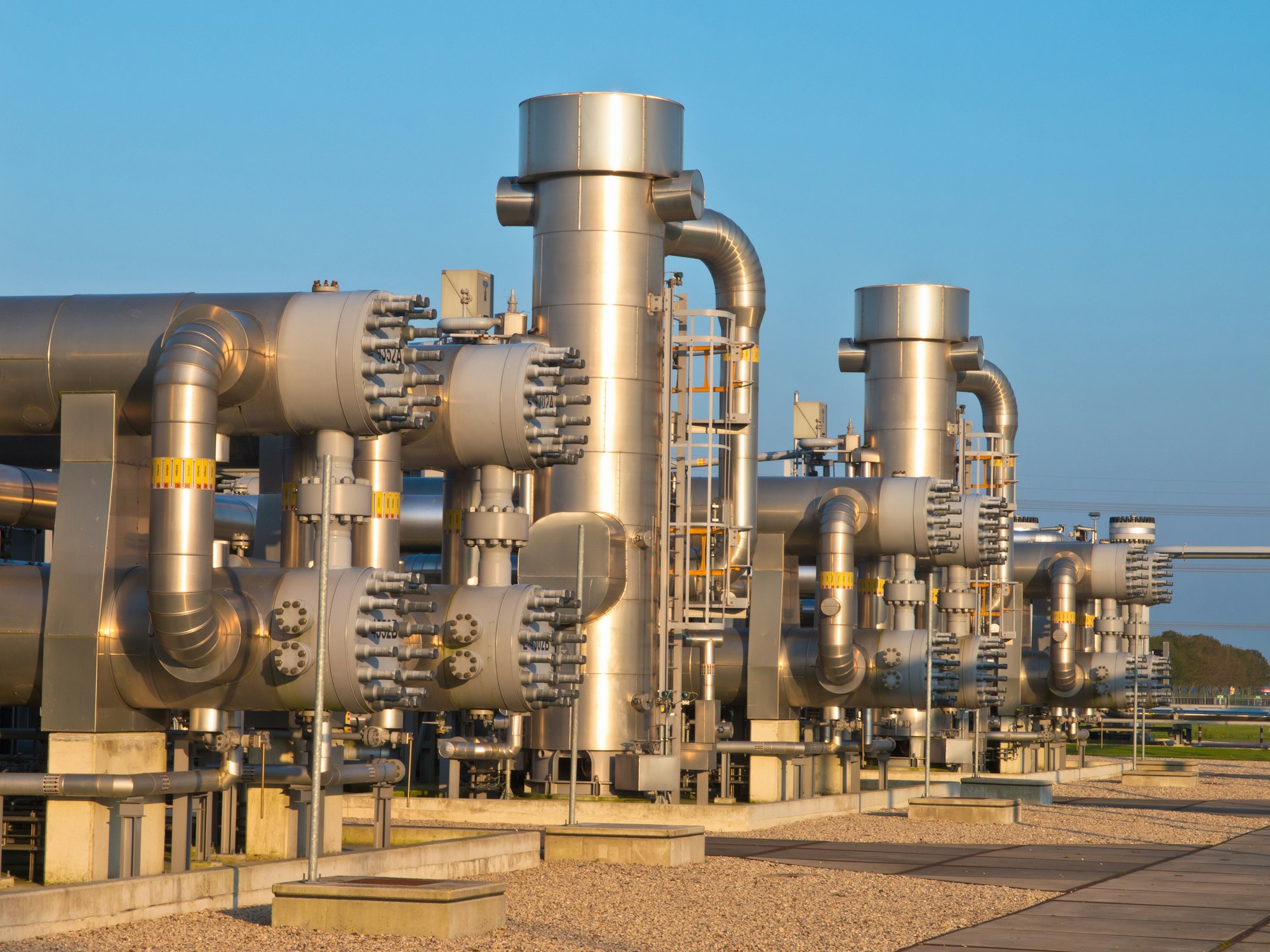
Natural gas is a mixture of hydrocarbons, predominantly methane, that is found beneath the Earth’s surface. Like petroleum, natural gas is formed from the remains of ancient marine organisms that were buried and subjected to heat and pressure over millions of years.
Natural gas is widely regarded as a cleaner and more efficient energy source compared to other fossil fuels. It is commonly used for cooking, heating, and electricity generation. In recent years, natural gas has also become an important fuel for transportation and industrial processes.
3. Coal
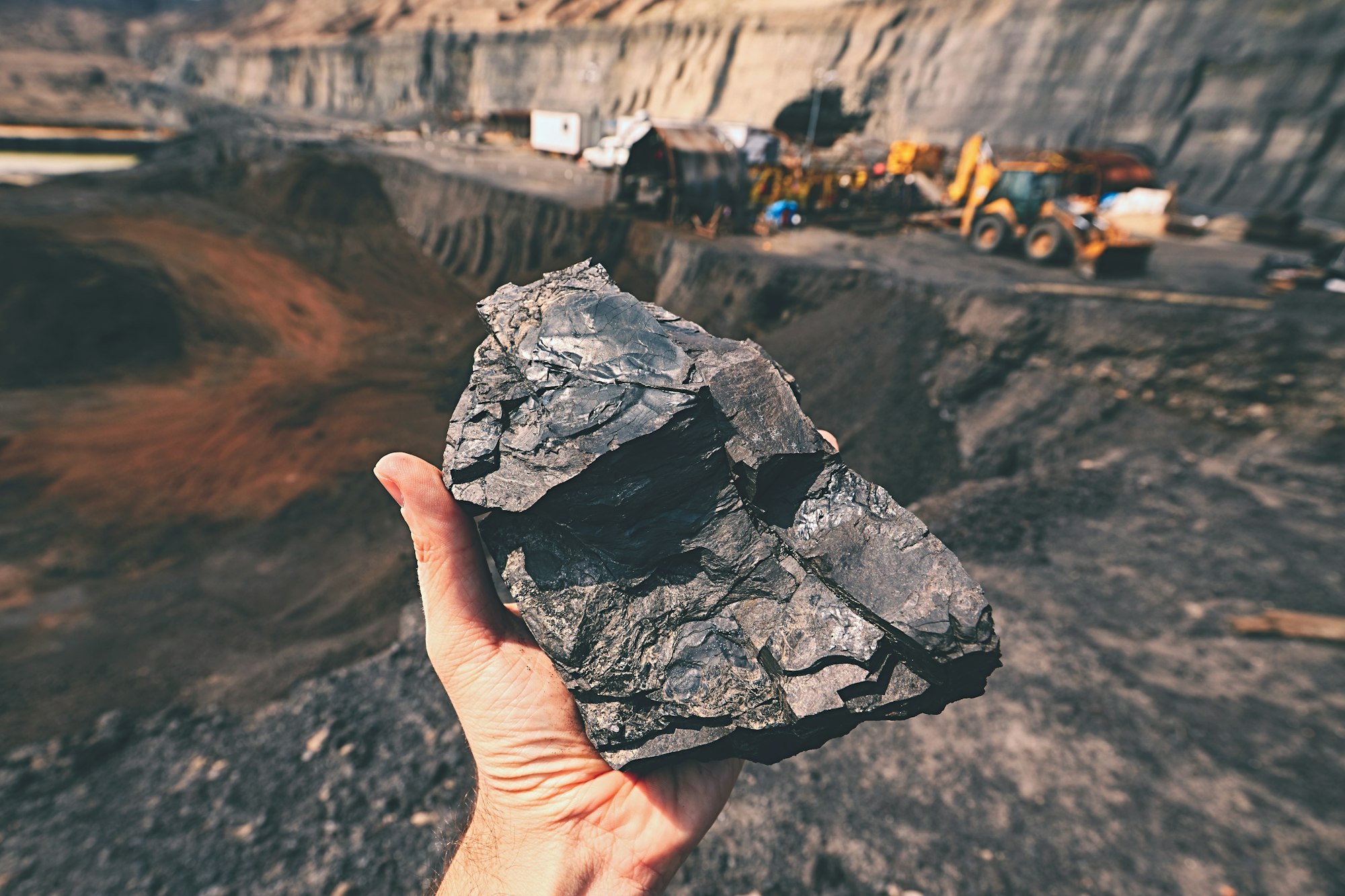
Coal is a fossil fuel that forms from the remains of plants that lived millions of years ago. These plants were buried under sediment, and over time, heat and pressure transformed them into coal.
Coal has been a cornerstone of industrialization, providing the energy needed to power steam engines, generate electricity, and produce steel. Despite its declining use in some parts of the world due to environmental concerns, coal remains a significant energy source, especially in developing countries.
4. Iron Ore
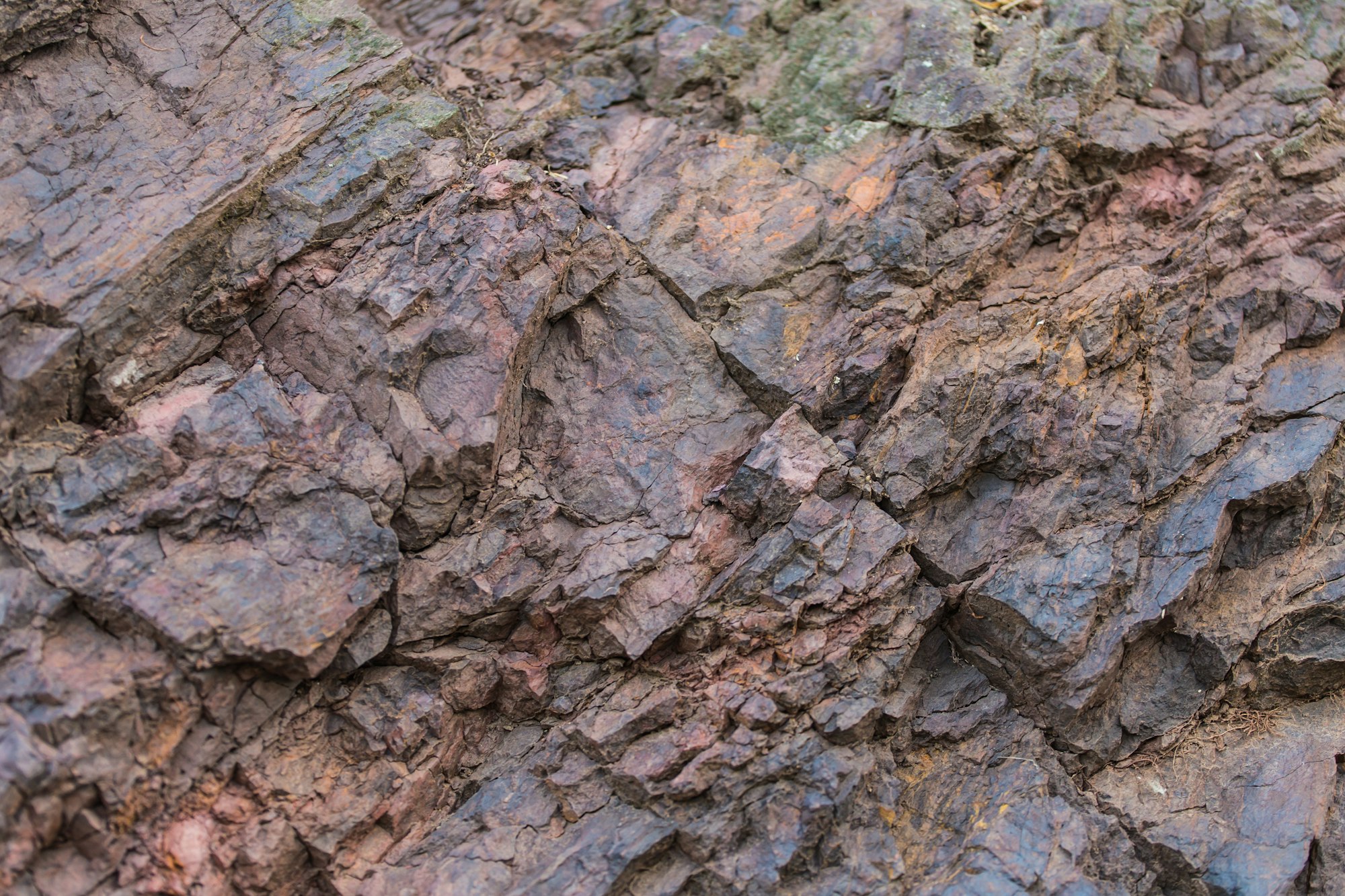
Iron ore is a mineral from which metallic iron can be economically extracted. It is typically found in sedimentary rocks and is often mixed with other elements such as oxygen and carbon.
Iron ore is essential for the production of steel, which is used in construction, transportation, and manufacturing. The extraction and processing of iron ore are crucial to the global economy, as steel is a fundamental material in modern infrastructure.
5. Gold
Gold is a precious metal that has been valued for its beauty, rarity, and unique properties for thousands of years. It is often found in deposits within rocks and alluvial sediments, and its extraction requires specialized mining techniques.
Gold’s primary function is as an asset and store of value, making it a popular choice for investment. It is also used in jewelry, electronics, and dentistry. Gold’s resistance to corrosion and tarnish makes it ideal for use in electrical connectors and other high-reliability applications.

6. Silver
Silver is another precious metal, known for its luster and conductivity. It is often found in the same geological formations as gold, copper, and lead ores.
Silver is widely used in jewelry and tableware, but its industrial applications are equally important. Due to its excellent electrical and thermal conductivity, silver is used in electronics, batteries, and solar panels. Additionally, its antibacterial properties make it valuable in medical devices and treatments.

7. Copper
Copper is a versatile metal known for its excellent electrical and thermal conductivity. It is typically found in ores with other metals like zinc, lead, and gold.
Copper plays a crucial role in the production of electrical wiring, plumbing, and electronic components. It is also used in renewable energy systems, including wind turbines and solar panels. The growing demand for copper in these technologies underscores the importance of conserving this non-renewable resource.

8. Uranium
Uranium is a heavy metal with significant energy potential. It is found in small concentrations in most rocks and even in seawater, but economically viable deposits are rare.
Uranium is primarily used as fuel in nuclear reactors, where it undergoes fission to produce energy. It is also used in the production of nuclear weapons, making it a resource of both immense power and global significance.
9. Phosphate
Phosphate is a mineral that contains phosphorus, an essential nutrient for plant growth. It is typically found in sedimentary rock deposits.
Phosphate is crucial for the production of fertilizers, which are used to enhance soil fertility and boost agricultural productivity. As the global population grows, the demand for phosphate is expected to increase, raising concerns about the sustainability of this non-renewable resource.
10. Lithium
Lithium is a light metal with unique properties that make it essential for modern technology. It is primarily found in brine pools and hard rock deposits.
Lithium is a key component in rechargeable batteries, which power everything from smartphones and laptops to electric vehicles. It is also used in the production of ceramics, glass, and lubricants. The rising demand for lithium in energy storage technologies highlights the need for sustainable resource management.
Conclusion: The Imperative of Conservation for Future Generations
The Earth’s non-renewable resources are a finite and valuable inheritance that must be managed wisely to ensure the well-being of future generations. The current trajectory of resource exploitation is unsustainable and poses significant risks to the environment, economies, and societies around the world. By adopting sustainable practices, transitioning to renewable energy, and promoting conservation efforts, we can mitigate the negative impacts of non-renewable resource consumption and build a more sustainable future.
As individuals, communities, and nations, it is our responsibility to steward the Earth’s resources carefully. The choices we make today will determine the quality of life for generations to come. By embracing sustainability and conservation, we can ensure that the Earth’s natural wealth continues to support human life and development for centuries to come.